 En
En Tr
Tr Ru
Ru Kz
Kz Uk
Uk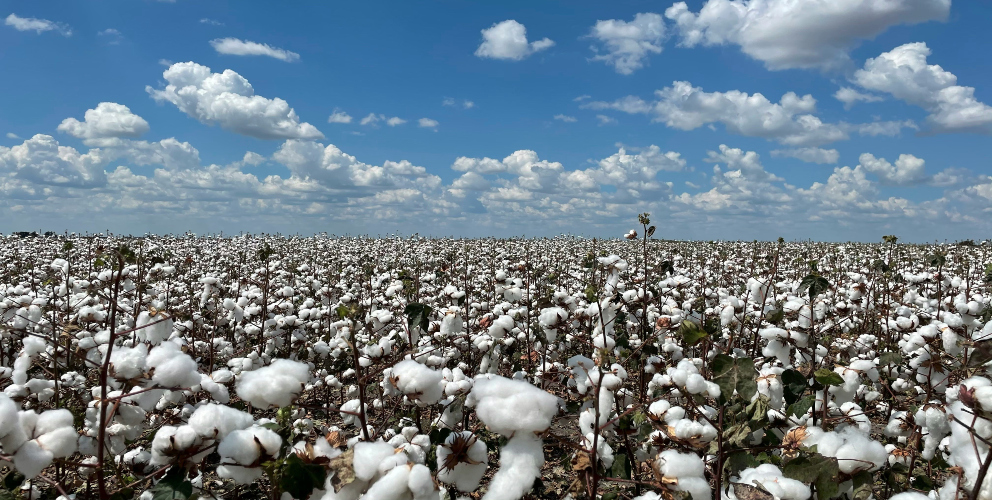
The Fabric That Makes an Impression: Why Europe and the CIS Trust Turkish Textiles with Turanline
Explore the exceptional qualities of Turkish textiles for clothing and home usage. Discover the wide range of fabric types and learn how to order trendy options with Turanline without overpaying and other risks.
In the textile retail business, you can either resell clothes from other manufacturers or create your own apparel from unique and rare supplements. In any case, your materials should be of exceptional quality to attract clients and make your assortment stand out in the competitive market. When items from local factories no longer make a difference, it’s time to look for suitable production abroad.
Considering Turkish textile companies may be a beneficial decision, as they excel in quality, consistency, and expertise. Now, platforms like Turanline make imports from Turkey easier and faster. This article highlights the outstanding features of Turkish fabrics and provides a clear strategy for importing them to your country through a reputable platform.
Facts & Figures: How Much Turkey Exports, Where It Goes, and Which Fabrics Lead the Market
Turkey successfully exports its textile goods to countries worldwide. Retailers from Western Europe, the CIS region, the United States, and the Middle East have already highly rated the quality, durability, and cost-effectiveness of Turkish products. So, sales volumes continue to grow each year. As for the statistics compiled in 2023, the largest exporters of textiles from Turkey were:
- Germany ($5.43B), Spain ($2.82B), the United Kingdom ($2,42B), the Netherlands ($1.83B), Poland ($1.83B), Italy ($1.6B), and France ($1.26B).
- Russia ($1.11 B), Belarus ($732M), Kazakhstan ($647M), Ukraine ($469M), and Uzbekistan ($432M).
- The USA ($2.68B).
In 2023, the value of Turkish textile exports reached $38.6 billion, making them the fourth-largest exporter in the niche worldwide. This amount also included revenue from trades with Africa, Australia, and South America. These markets continue to expand, increasing their market share over time. The primary export spectrum encompasses ready-made clothing, home textiles, and technical fabrics.
Among the vast array of export categories, cotton clothing makes up to 80% of the total export volume. At $11.01 billion, knitted apparel accounts for 56.65% of the entire apparel market, while woven fabrics hold a 43.45% share ($8.46 billion).
Why Turkish Cotton Is the Benchmark for Durability
Turkish fabric gained popularity in large part due to the exceptional qualities of its cotton products. Grown primarily in the Aegean region, with its unique Mediterranean climate (warm, dry summers and rich mineral soil and air), this fiber offers unprecedented smoothness, strength, and longevity. And while Turkey is not the only country that produces cotton textiles, its exports are widely recognized and welcomed globally. Let’s explore why.
How Turkish Cotton Differs from Egyptian and Pakistani Varieties
Turkish apparel manufacturers have long excelled in crafting premium-quality cotton garments. Long hair fibers are the main reason the material is softer and more durable than regular ones. Egyptian cotton also has elongated threads, but products made from it differ. They are less thick. This is the primary reason why cotton garments produced in Egypt are softer and more absorbent right out of the package than their counterparts from Turkey. Still, they don’t serve too long.
For frequently used and washed items, people worldwide choose garments from Turkish suppliers. Their linen is harder on first use and requires breaking in. However, it receives the optimal softness and fluffiness after 4-6 washes. Thus, when comparing Turkish cotton vs. Egyptian cotton, we can say the former is better suited for apparel, bath towels, and robes, while the latter is ideal for tablecloths and napkins.
Pakistani varieties also include long-fiber garments, but a shorter one is commonly used in mass-market production. Such products are inferior in terms of softness and longevity compared to others. For example, Turkish cotton bath towels will still stand out for their exceptional delicacy and quick-drying time.
Why Turkish Cotton Keeps Its Shape, Color, and Softness After Hundreds of Washes
The primary secret to Turkish cotton's durability lies in the thickness of its individual fibers and the unique production technology employed. Initially, products may seem slightly stiff or less absorbent. The reason lies in natural oils and the finishing agent applied to the fabric in the final stage of the manufacturing process. As the coatings gradually wash off, the garment becomes fluffier and more comfortable against the skin. Eco-friendly dyeing and printing techniques help products keep vibrant colors longer.
Extra-long fibers result in fewer joints and stronger threads. That’s why Turkish cloth fabrics from cotton are commonly less prone to pilling and fraying. They also become more absorbent with every wash and dry. This is due to the unique structure of the fiber, which allows it to open up more and better assimilate moisture over time.
How Turanline Verifies Suppliers and Ensures Textile Quality
The Turkish textile market presents significant opportunities for international distributors to enhance their retail operations and expand sales. Still, sourcing products directly from local manufacturers can be challenging for entrepreneurs who are new to this approach. Language barriers, a lack of knowledge on how to choose a reputable supplier, and incorrect calculations can lead to frustration and costly deals.
Luckily, the Turanline marketplace can transform this process in your favor. Its team not only guides you through the entire purchasing process with minimal mistakes and financial risk, but also ensures the highest quality items, from Turkish cotton towels to luxury apparel for men and women.
Turanline offers the best in its niche fabrics, ensuring reliability and transparency for its European and CIS clients through multiple measures, including manufacturer verification and quality audits conducted before every shipment.
All Turkish fabric suppliers undergo a rigorous assessment process before being added to the list of trustworthy marketplace partners and are permitted to transport textile products to the Turanline warehouse in Istanbul. The team checks licenses, company history, production quality, and certificates. Only fabrics that meet ISO, OEKO-TEX, and GOTS standards can be exported via the platform.
Before every delivery, the marketplace managers thoroughly check each item and pack it according to the order. The process can be video recorded to ensure that all products have the same fabrics, look, and colors as mentioned and photographed in the listing.
With Turanline and its personal online assistants, foreign buyers can focus on their assortment and unique offerings without worrying about the credibility of the Turkey textile companies list, quality, supporting documentation, and international shipment details.
Top-Selling Cloth Fabrics
Turanline marketplace offers a wide assortment of Turkish fabrics for dresses, costumes, casual and sport wear, as well as home products and accessories. Here you can find qualitative and durable garments highly demanded by clothing companies on the local market and abroad:
- Cotton. As we’ve already mentioned above, it’s hard to imagine wholesale purchases without these soft and durable fabrics, which are widely used in t-shirt and lingerie production. In addition to all its excellent characteristics, it stands out with affordable prices, while the profit from its distribution can significantly outweigh the costs.
- Denim. Soft and comfortable, Turkish jeans, jackets, and skirts offer a perfect fit, interesting designs, and the ability to hold their shape over time.
- Woven fabrics. This versatile category encompasses silk, wool, and linen, enabling factories in Turkey to produce a wide range of products, from everyday outfits to technical designs and high-fashion apparel. On Turanline, you may find clothes for home, office, and special occasions.
- Synthetics. Turkish manufacturers often use polyester, nylon, and viscose for outerwear, sports costumes, and accessories. The fabrics offer increased durability and wrinkle resistance, making them perfect for their niche.
If you’re unsure which Turkish textiles to choose for your collection online, you can contact the Turanline support team. Personal managers will help you pick a trendy collection to boost your business.
Bedding Trends 2025: Satin, Percale, and Ranforce in the Spotlight
During the pandemic period, people tended to make their homes more comfortable and cosy. Purchasing top-quality bedding textiles became an integral part of that trend. The demand for wellness is expected to continue in 2025 and beyond. While you have already got a clear answer on “ What is Turkish cotton?”, several bedding garment types made of it are still left unrevealed:
- Satin. A glossy surface makes this fabric look elegant and luxurious. Created by Turkish craftsmen, it doesn’t fade and has excellent thermoregulation. The textile remains cool in hot summer and warm in cold winter nights.
- Percale. The tight weave and crisp feel of this material make it popular among hotel businesses and retailers. Widely used in minimalistic interiors for its matte finish, it stands out with improved density and breathability.
- Ranforce. Made from 100% natural cotton, this hypoallergenic fabric is strong, durable, and resistant to wear and tear even after a long period. Often dyed with picturesque prints, it withstands fading and keeps bright colors even after dozens of washing cycles.
Across Europe and the CIS, the demand for high-quality, extra-soft, and durable bedding textiles continues to grow. Turkish factories, in partnership with Turanline, can meet these requirements with their extensive reach and premium assortment, transparent pricing, and efficient logistics.

How Turanline Simplifies Sourcing and Helps You Avoid Risks
Traditionally, the textile importing process involves lengthy and stressful preparation, supplier analysis, document generation, and searching for fast and cost-effective carriers. And there’s no guarantee you won’t face hidden commissions, customs delays, or package loss.
Turanline transforms this uncertain experience into a comprehensive, reliable solution tailored to international buyers. Here’s how the marketplace simplifies the process:
- Unify trusted manufacturers in one place and offer a vast selection of plain, matte, glossy, or printed cloth fabrics.
- Enables direct communication and personal support in placing wholesale orders, selecting suitable textile options, ensuring quality, and tracking packages.
- Offers transparent pricing, suitable payment methods, consolidated parcels, discounts, and affordable shipping options.
- Organize document management. The platform prepares all the required papers in accordance with international trade laws to facilitate a successful purchase, minimizing the risks of errors and parcel confiscation.
Investing in fabrics that look luxurious, last longer, and feel comfortable has never been easier, thanks to your partnership with Turanline. The marketplace opens doors to high-quality and reliable sourcing, ensuring transparency and excellent service. Clothing retail businesses can scale efficiently, saving time and costs on supplies while focusing on other tasks, like online promotion or customer engagement.
Discover the convenience of ordering wholesale goods on the TuranLine website. We offer products of various categories: clothing, home goods, and more...