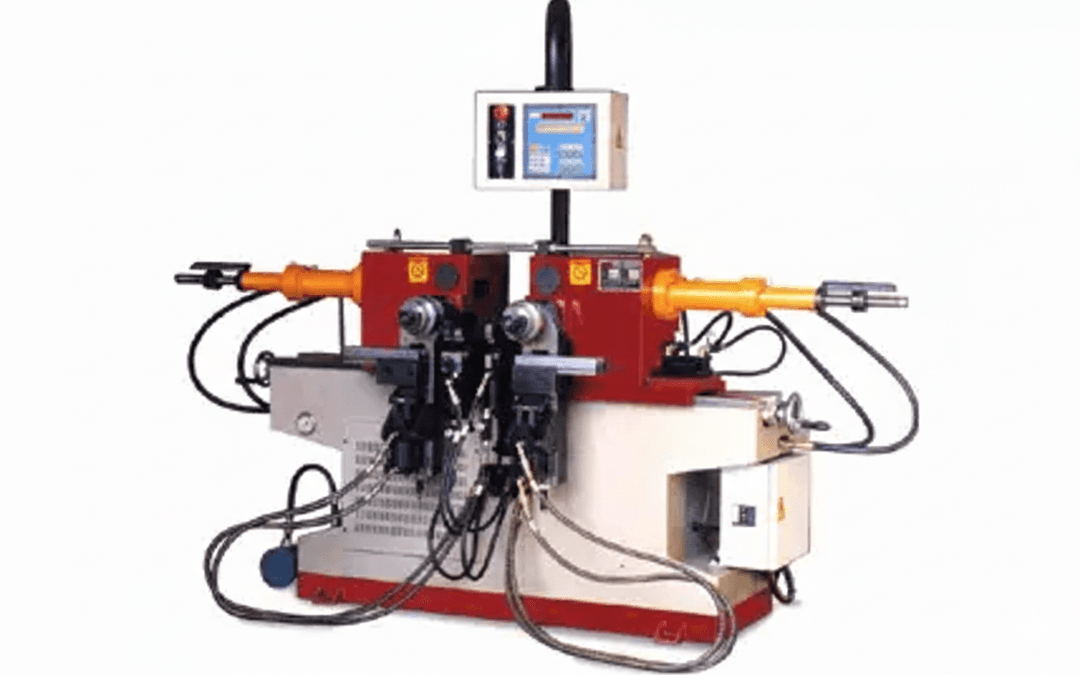
Общее описание Этот станок обеспечивает гибку металлических труб (сталь, нержавеющая сталь, алюминий, медь и т. д.), используемых в таких отраслях, как автомобилестроение, производство мебели, авиация и производство бытовой техники, под нужными углами и в нужных формах с помощью компьютерного управления. Основные характеристики: Технология точной гибки: Благодаря системе компьютерного управления (ЧПУ) он выполняет операции гибки, подачи и вращения с миллиметровой точностью. Многоосевое движение: Он не только сгибает трубу, но и вращает ее вокруг собственной оси, позволяя за один раз создавать сложные трехмерные формы. Высокая эффективность: Разработан для серийного производства; предлагает быструю смену оснастки и короткое время обработки. Прочная конструкция корпуса: Имеет литой или сварной стальной корпус, устойчивый к условиям тяжелой промышленности, минимизирующий вибрацию и обеспечивающий долгий срок службы. Важное примечание: Длинная рельсовая система на задней части станка представляет собой блок сервопривода, который обеспечивает автоматическую подачу труб. Это сводит к минимуму вмешательство оператора, повышая безопасность труда и качество продукции. Характеристики, Технические значения (стандартная модель) Усилие прессования (мощность),10 - 15 тонн Диапазон обрабатываемых диаметров (Ø),5 мм - 60 мм Максимальный шаг резьбы,2.5 мм - 4.0 мм Длина нарезаемой резьбы (с подачей/внутренняя подача),70 мм - 150 мм Длина нарезаемой резьбы (сквозная),Не ограничена (путем подачи) Диаметр вала ролика (оснастки),∅54 мм или ∅69.85 мм Максимальный внешний диаметр ролика,∅130 мм - ∅170 мм Скорость вращения шпинделя,5 - 100 об/мин (бесступенчатая/с инвертором) Мощность основного двигателя,5.5 кВт (7.5 л.с.) Мощность гидравлического двигателя,2.2 кВт (3.0 л.с.) Мощность охлаждающего насоса,0.1 кВт Вес станка (приблизительно),1200 кг - 1500 кг Размеры (Ш x Д x В),1400×1300×1500 мм
$null
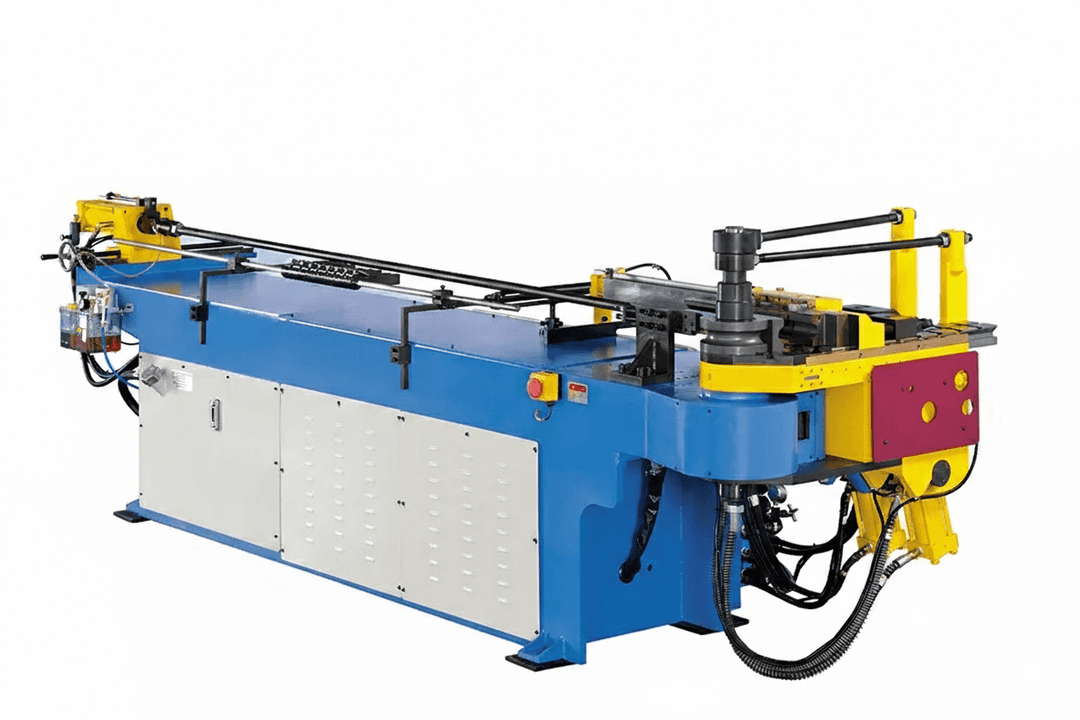
Описание продукта Этот станок предназначен для формовки металлических труб различного диаметра и толщины под нужными углами и формами в таких отраслях, как автомобилестроение, аэрокосмическая промышленность, производство мебели, бытовой техники и судостроение. Основные характеристики: Система ЧПУ: Обеспечивает высокую точность и полную автоматизацию сложных операций гибки благодаря многоосевой подвижности. Высокие технологии: Операции, такие как подача трубы в станок, гибка и вращение, программируются через компьютер и выполняются безошибочно. Прочная конструкция: Имеет прочную конструкцию корпуса, подходящую для круглосуточной работы в серийном производстве. Гибкость: Способен гнуть различные типы материалов, такие как сталь, нержавеющая сталь, алюминий и медь. Характеристика / Описание / Ориентировочное значение Тип станка,Полностью автоматический трубогибочный станок с ЧПУ Система управления,"Многоосевая (X, Y, Z) система управления ЧПУ на базе ПЛК или ПК" Приводная система,Гибридная система гидравлического привода и серводвигателя Гибочная способность,Макс. диаметр 38 мм - 76 мм (зависит от модели) Угол гибки,Точно регулируемый в диапазоне от 0° до 190° Скорость гибки,Регулируемая высокая скорость (с сервоуправлением) Точность,± 0.1 мм / ± 0.1° Совместимость материалов,"Трубы и профили из стали, нержавеющей стали, меди, алюминия" Системы безопасности,"Кнопка аварийной остановки (красная на изображении), датчики безопасности" Система смазки,Автоматический центральный блок смазки
$null
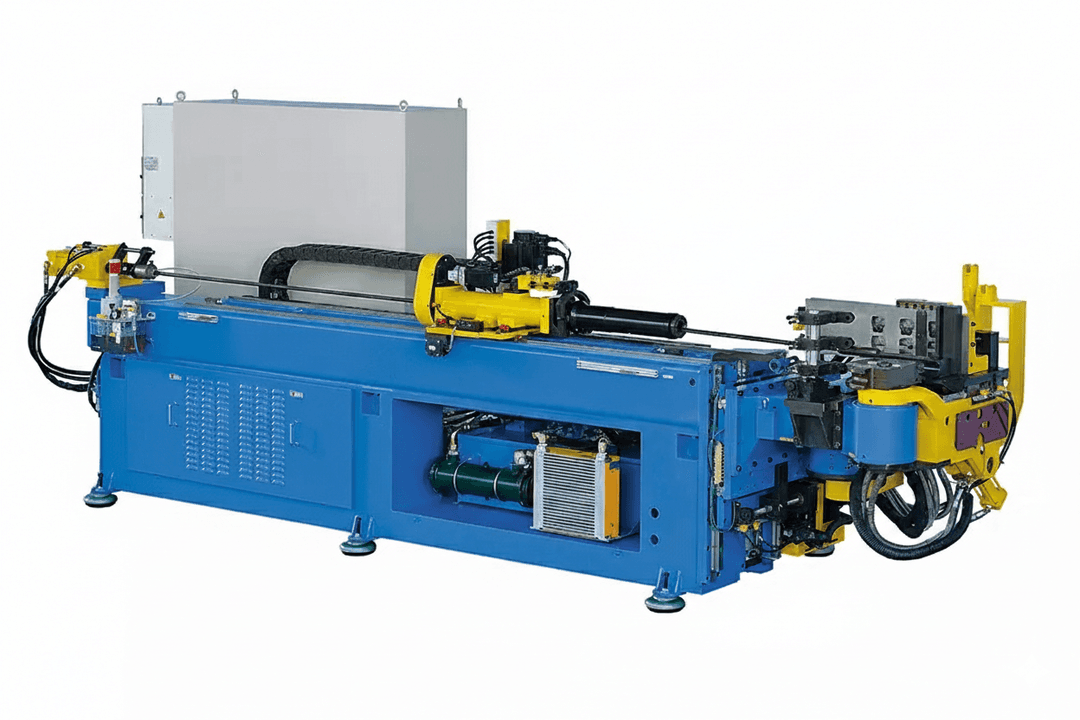
Общее описание Эти станки позволяют изгибать металлические трубы под определенными углами и формами, используемые в таких отраслях, как автомобилестроение, производство мебели, систем кондиционирования и строительства. Благодаря блоку управления с ЧПУ (CNC), операции гибки выполняются с миллиметровой точностью и высокой скоростью. Основные характеристики Точная гибка: Обеспечивает безошибочное производство труб со сложной геометрией. Автоматизация: После ввода данных операции в систему, станок автоматически управляет углом гибки и подачей трубы. Многоосевое движение: Позволяет не только гнуть трубу, но и вращать ее для формирования в различных плоскостях. Прочная конструкция: Стабильный корпус, минимизирующий вибрацию, разработанный для тяжелых промышленных условий. Характеристика,Описание / Ориентировочное значение Тип станка,Полностью автоматический станок для гибки труб с ЧПУ Система управления,Многоосевой блок управления с ЧПУ (с сервоприводом) Максимальная производительность гибки,Ø 38 мм - Ø 51 мм (в зависимости от толщины стенки трубы) Направление гибки,Вправо (опционально доступны двусторонние модели) Количество осей,"3-5 осей (подача, вращение, гибка, смена оснастки)" Максимальный угол гибки,190° Скорость подачи,800 - 1000 мм/сек Точность гибки,± 0.1° Приводная система,Гибридная (гидравлический зажим + электрическая сервогибка) Система охлаждения,Масляный радиатор с вентилятором (на изображении показан радиаторный тип)
$null
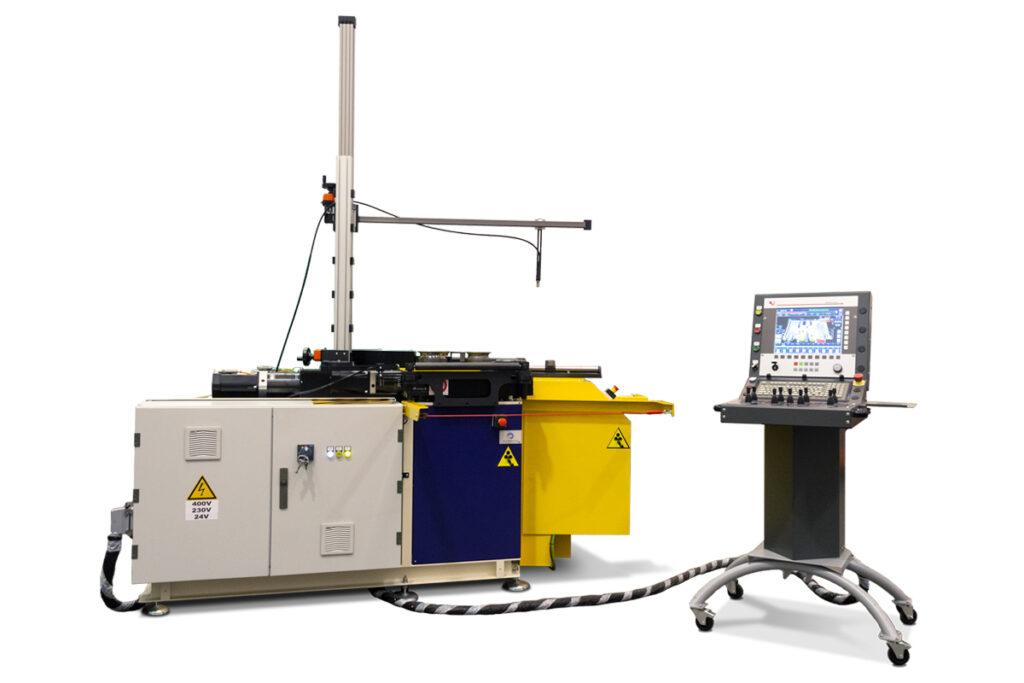
Описание продукта Этот передовой трубогибочный станок с ЧПУ разработан для удовлетворения сложных потребностей в гибке в таких отраслях, как автомобилестроение, производство мебели, аэрокосмическая промышленность и производство бытовой техники. Благодаря высокоточному блоку управления и прочной конструкции корпуса он обеспечивает максимальную эффективность в серийном производстве. Основные характеристики: Усовершенствованная панель управления с ЧПУ: Легко программируется и позволяет моделировать изгиб благодаря удобному интерфейсу. Многоосевое управление: Обеспечивает безошибочное производство, синхронизируя движения изгиба, вращения и подачи труб. Высокая безопасность: Соответствует международным стандартам безопасности благодаря предупреждающим знакам на электрощите и системам аварийной остановки. Эргономичный дизайн: Обеспечивает оператору свободу движений и комфортное рабочее пространство благодаря независимому блоку управления. Технические детали (приблизительно по изображению): Требования к питанию: Промышленная электрическая система с поддержкой 400 В / 230 В / 24 В. Конструкция: Бесшумная работа благодаря жесткой конструкции корпуса. Области применения: Точная гибка стальных, нержавеющих, алюминиевых и медных труб. Параметр,Приблизительное значение / Описание Тип станка,Полностью автоматический трубогибочный станок/профилегибочный станок с ЧПУ Привод,Электромеханический сервопривод Рабочее напряжение,400 В переменного тока (согласно предупреждающей наклейке на изображении) Вспомогательные напряжения,230 В / 24 В постоянного тока Блок управления,Промышленный контроллер с ЧПУ на базе ПК Количество осей,"3 - 5 осей (подача, вращение, изгиб, позиционирование)" Защитное оборудование,"Кнопки аварийной остановки, электрические блокировки, предупреждающие наклейки" Панель управления,"Мобильная консоль на колесиках, ЖК-экран, физические кнопки" Производительность,"Зависит от типа материала (сталь, алюминий, медь и т. д.)"
$null
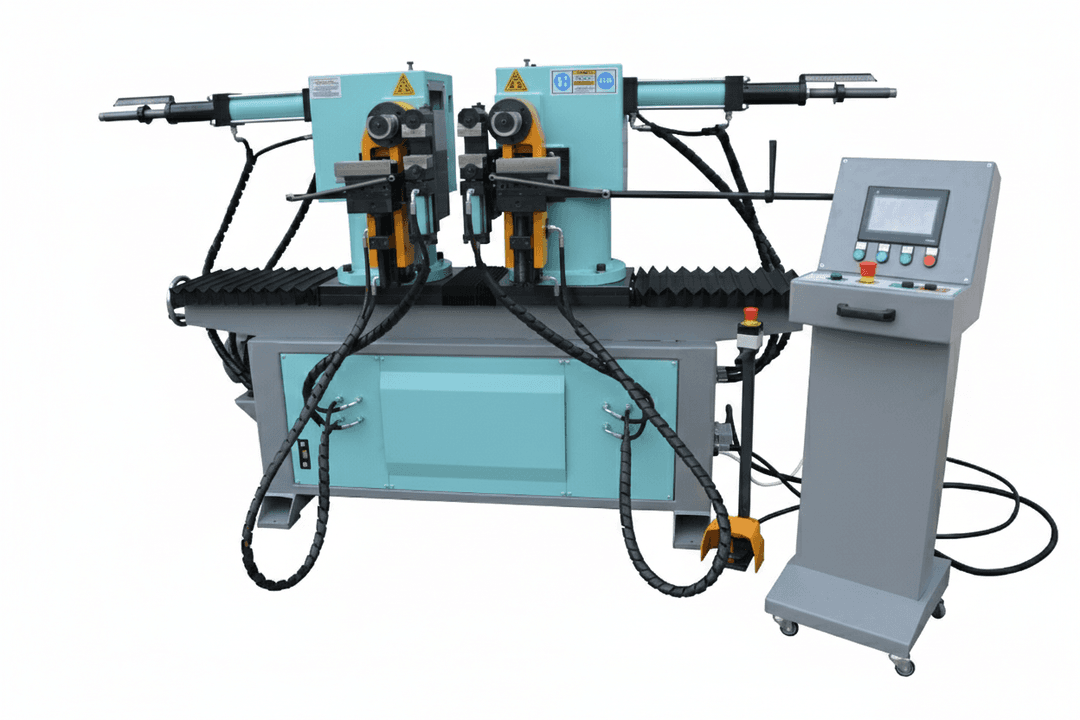
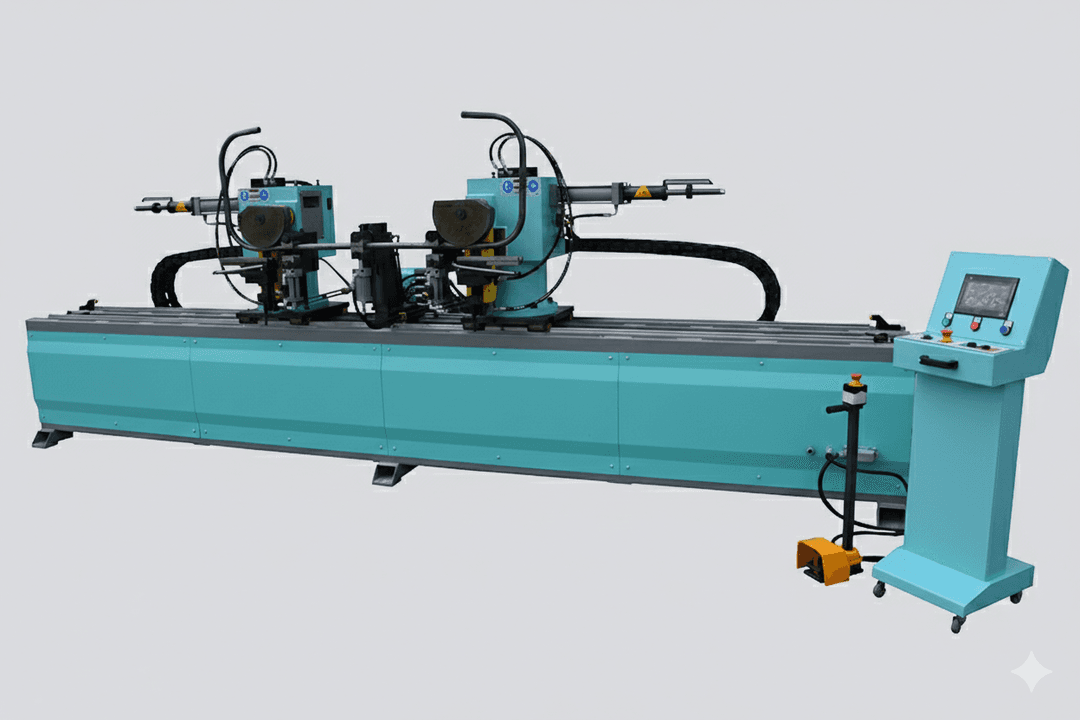
Основные компоненты и отличительные особенности Двойная гибочная головка: Станок оснащен двумя независимыми гибочными головками, расположенными слева и справа. Расстояние между этими головками регулируется с помощью рельсовой системы (гармошка в центре станка). Это позволяет одновременно и симметрично гибать оба конца длинной трубы. ПЛК и сенсорная панель управления: На вертикальной панели справа расположен экран. Это указывает на наличие числового управления (ЧПУ) у станка. Оператор может помиллиметрово программировать угол и скорость гиба на экране, что обеспечивает идентичность (стандартность) каждой детали. Гидравлическая и пневматическая системы: Толстые черные шланги в нижней части станка подают гидравлическое масло под высоким давлением к гибочным головкам. Это позволяет станку без труда формировать даже очень жесткие профили. Педаль и безопасность: Оранжевая педаль для запуска процесса оператором и кнопки аварийной остановки на панели обеспечивают безопасную рабочую среду. Как это работает? Программирование: Угол и расстояние гиба вводятся через сенсорный экран. Подача: Труба или профиль помещается между двумя головками. Синхронный гиб: Гидравлические прижимные лапы зажимают материал, и две головки одновременно вращаются, придавая трубе форму. Области применения и преимущества Этот станок незаменим, особенно для работ, требующих большого количества и симметрии: Мебельная промышленность: Спинки стульев, каркасы столов и металлические изголовья кроватей. Автомобильная промышленность: Выхлопные трубы, опоры шасси и защитные дуги. Спортивное оборудование: Изогнутые корпуса тренажеров. Отопление/охлаждение: Полотенцесушители и крупногабаритные трубопроводы. Резюме: Этот станок является профессиональным промышленным решением, которое удваивает скорость производства по сравнению с одноголовыми моделями, сводя к минимуму погрешность. Характеристика, Описание / Значение (Общее) Тип обработки,Двухголочная гидравлическая формовка Максимальный диаметр трубы,∅ 38 мм - 50 мм (зависит от модели) Максимальная толщина стенки,"2.0 мм (сталь), 1.5 мм (нержавеющая сталь)" Максимальная длина обработки,80 мм - 100 мм Рабочее давление,12 - 14 МПа Мощность двигателя,4 кВт - 5.5 кВт Система управления,ЧПУ (числовое управление) или ПЛК с сенсорным экраном Скорость обработки,3 - 5 секунд / шт. Объем масляного бака,100 - 120 литров Вес станка,Примерно 850 - 1200 кг
$null
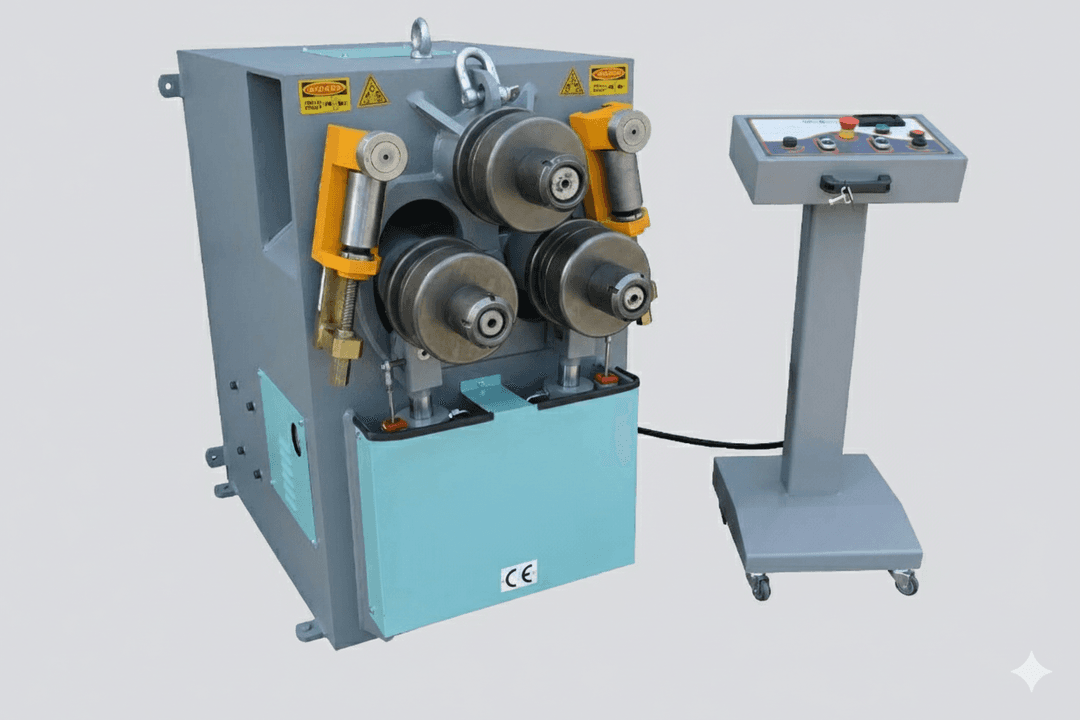
Основные компоненты и назначение станка Этот станок используется для придания металлической полосе, квадратному/прямоугольному профилю или круглой трубе желаемой изогнутой формы. Система из трех вальцов (роликов): Три больших стальных диска, расположенных в центре станка, выполняют операцию гибки. Верхний центральный валок обычно подвижен и оказывает давление на материал. Два нижних валка обеспечивают непрерывность гибки, перемещая материал вперед и назад. Боковые опорные рычаги (детали желтого цвета): Желтые механизмы по обеим сторонам валков предотвращают скручивание или смещение изгибаемого материала в сторону во время гибки. Они особенно важны для регулировки угла материала при спиральной гибке. Мобильная панель управления: Панель, расположенная справа на колесной опоре, включает кнопку аварийной остановки, переключатели направления и кнопки управления движением валков. Наличие колес позволяет оператору работать с безопасного расстояния под любым углом. Конструкция корпуса: Серый моноблочный (цельный) корпус устройства изготовлен из толстого стального листа, способного выдерживать тонны давления, возникающего во время гибки. Принцип работы Подача: Материал (профиль или труба) подается на нижние два валка. Давление: Верхний валок (или нижние валки, в зависимости от модели) сжимает материал с помощью гидравлической силы. Вращение: Валки начинают вращаться. Материал, находясь под этим давлением, перемещается между валками вперед и назад, постепенно принимая круговую форму. Где используется? Архитектурные конструкции: Перила винтовых лестниц, стальные балки кровли. Сельское хозяйство: Каркасы теплиц и трубы для систем орошения. Промышленность: Опоры резервуаров, рамы конвейеров и автомобильные детали.
$null
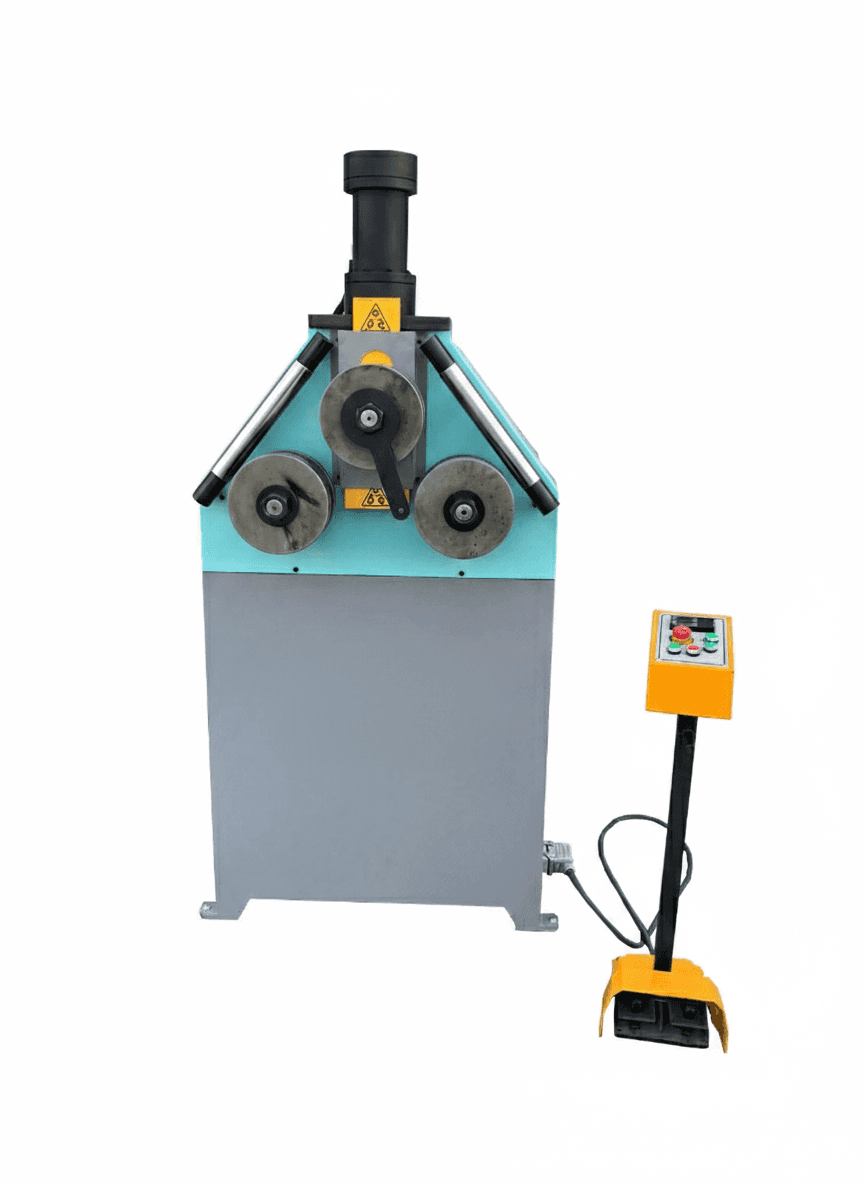
Основные компоненты станка Трехвалковая система: Сердце станка – три круглых валка. Средний (верхний) валок обычно перемещается вверх-вниз с помощью гидравлического поршня. Два нижних валка остаются неподвижными или обеспечивают вращательное движение. Материал проходит между этими валками, и под давлением верхнего валка он изгибается. Гидравлический поршень: Черная цилиндрическая структура, которая прикладывает тонны силы к верхнему валку. Благодаря этой силе даже толстые стали легко принимают форму. Панель управления (педальная система): Желтая панель, расположенная справа, позволяет оператору управлять станком. Благодаря ножным педалям оператор может свободно использовать обе руки для удержания или направления заготовки (трубы). Боковые опоры: Рычаги, расположенные по бокам валков, предотвращают боковое смещение изгибаемого материала и обеспечивают ровность (линейность) изгиба. Как это работает? Установка: Труба или профиль, подлежащие изгибу, помещаются на два нижних валка. Зажим: Гидравлическая система активируется, прижимая верхний валок к материалу. Гибка: Валки начинают вращаться, и материал, двигаясь вперед-назад под этим давлением, постепенно приобретает круговую форму. Области применения Этот станок используется для изготовления изделий, которые вы можете увидеть во многих местах вокруг вас: Строительство: Перила лестниц, каркасы крыш и трибуны спортивных площадок. Мебель: Ножки стульев или декоративные металлические полки. Сельское хозяйство: Каркасы теплиц и системы орошения. Транспорт: Рамы велосипедов, рамы мотоциклов и выхлопные трубы.
$null
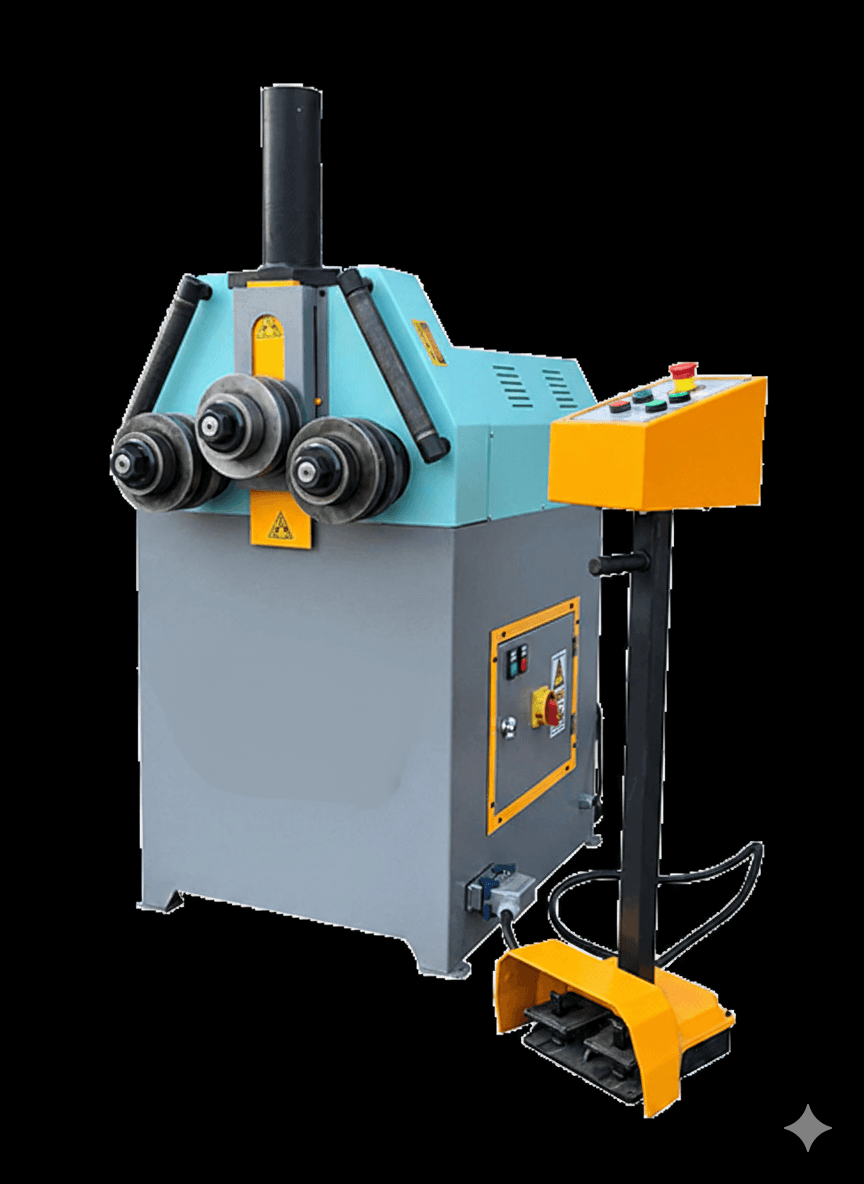
Компоненты и функции станка Трехвалковая система: Три круглых ролика в передней части обеспечивают придание нужного изгиба металлическим профилям или трубам. Обычно верхний ролик подвижный (нажимной), а два нижних — фиксированные или приводные (продвигающие). Панель управления: Желтая панель справа содержит кнопку аварийной остановки и кнопки управления направлением. Отсюда можно контролировать направление и скорость вращения станка. Педаль: Позволяет оператору управлять станком вперед или назад, не задействуя руки, что обеспечивает безопасность и удобство при точных операциях гибки. Конструкция корпуса: Серый корпус в нижней части представляет собой прочное шасси, устойчивое к операциям гибки под высоким давлением. Области применения Такие станки обычно используются для следующих задач: Строительство: Изготовление перил, каркасов крыш и декоративных металлических конструкций. Автомобилестроение: Гибка выхлопных труб или компонентов шасси транспортных средств. Мебель: Металлические ножки стульев или каркасы столов. Сантехника: Поворот труб большого диаметра под определенными углами.
$null
трубогибочный станок
 Ru
Ru En
En Tr
Tr Kz
Kz Uk
Uk